A community that stewards its own environment can sustain its own future.
For 25 years we brought water and sanitation to rural and tribal communities across India. Today we focus on making it last.
- Our foundation
- 25 years
of proven WASH delivery across India — the track record our stewardship model is built on.
Scroll
Water is where we began. Making that work last is our focus now.
Founded 1998
Hyderabad, Telangana
Living Water India was founded in 1998 in Hyderabad, Telangana, with a single conviction: that access to clean water changes everything. Over 25 years, that work taught us something larger.
A community's water does not stand alone — it depends on the health of its land, the fate of its waste, and whether people can earn a living without depleting the very resources they rely on.
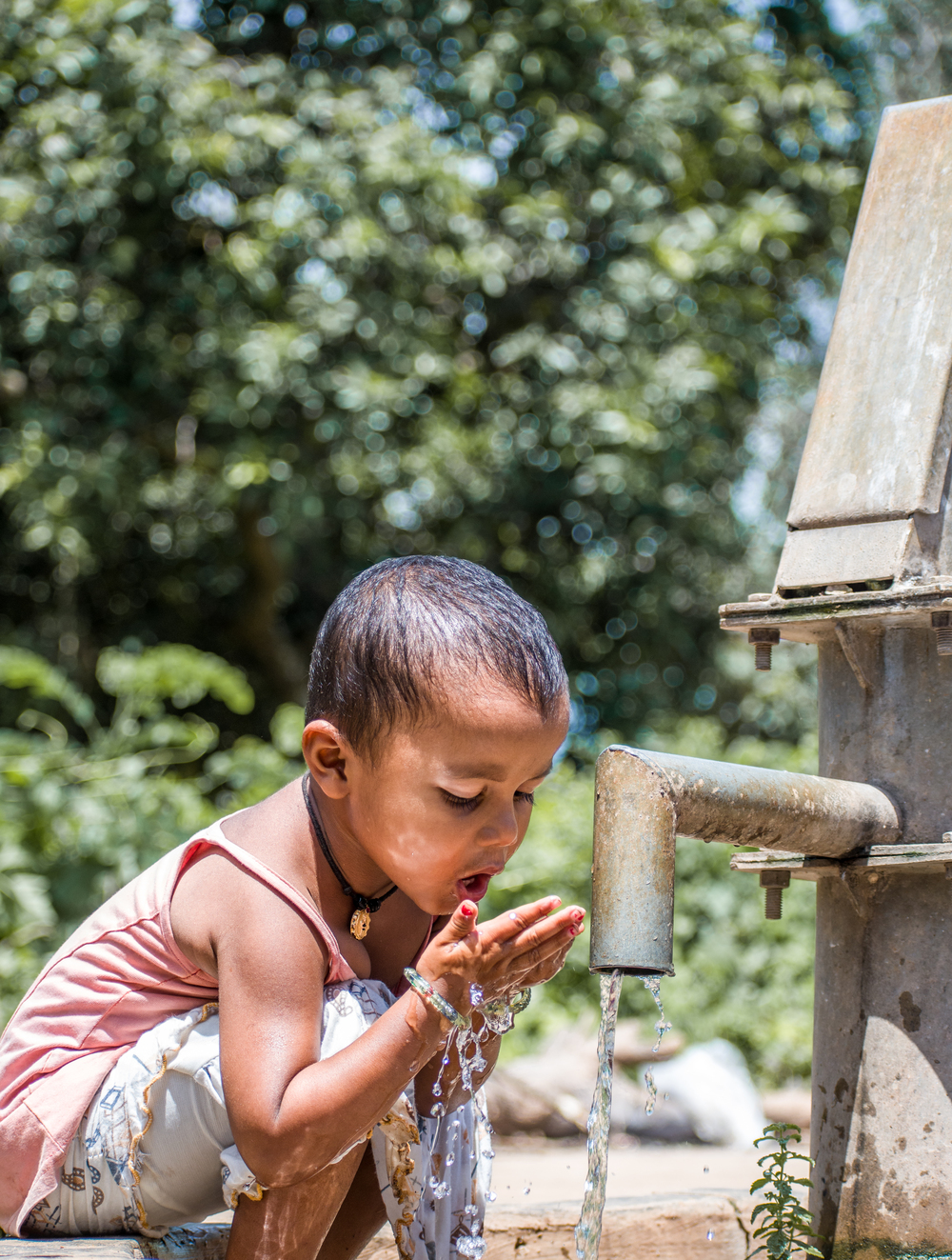
Telangana · Field programme
The problem
Four pressures that compound one another
Rural communities across India face a set of connected pressures that no single programme can solve alone. Water systems fail after they are built; soils and water tables are degrading under climate stress; waste accumulates untreated; and too few families can earn a secure living without depleting the very resources they depend on. These problems compound one another — which is why we work on all four together.
-
01
Water
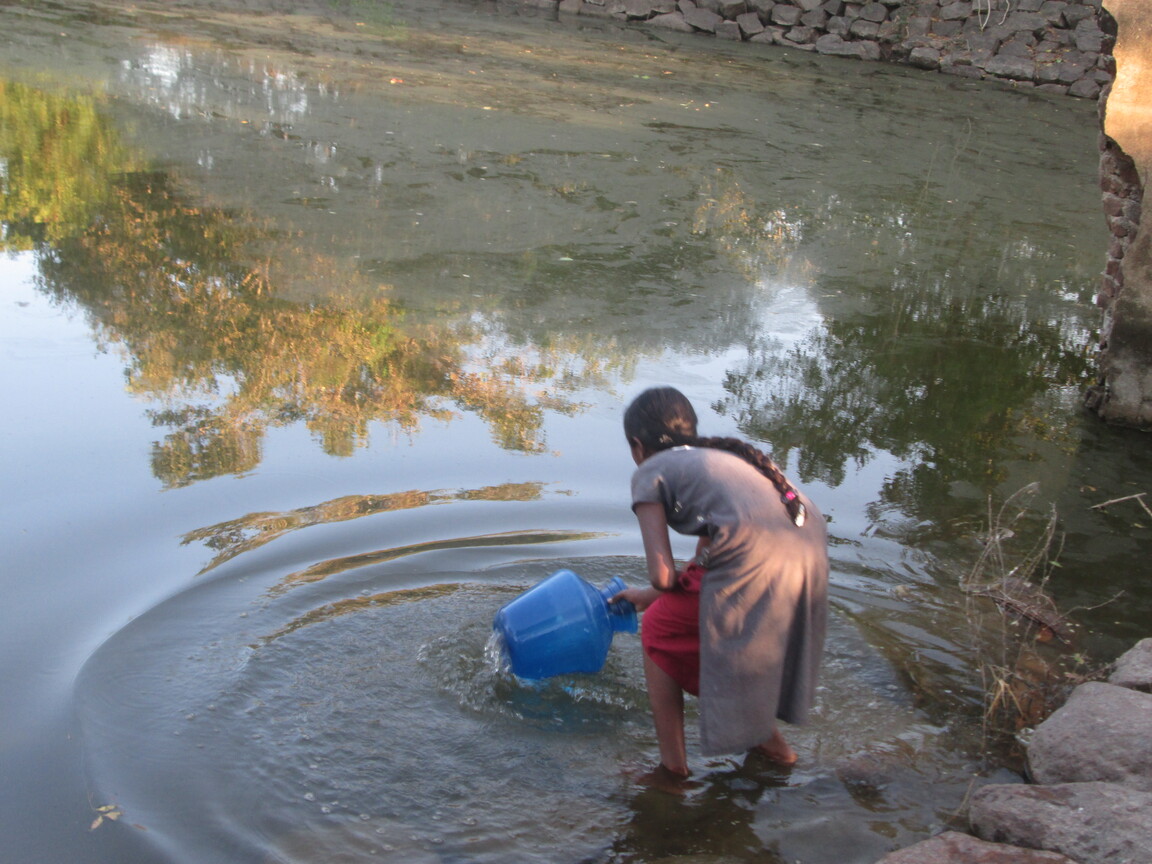
Built, but not lastingGovernment schemes have delivered taps and toilets at scale, but a significant share stop working within a few years — borewells run dry as water tables fall, sources test unsafe, and maintenance falls away once contractors leave.
-
02
Land & Soil
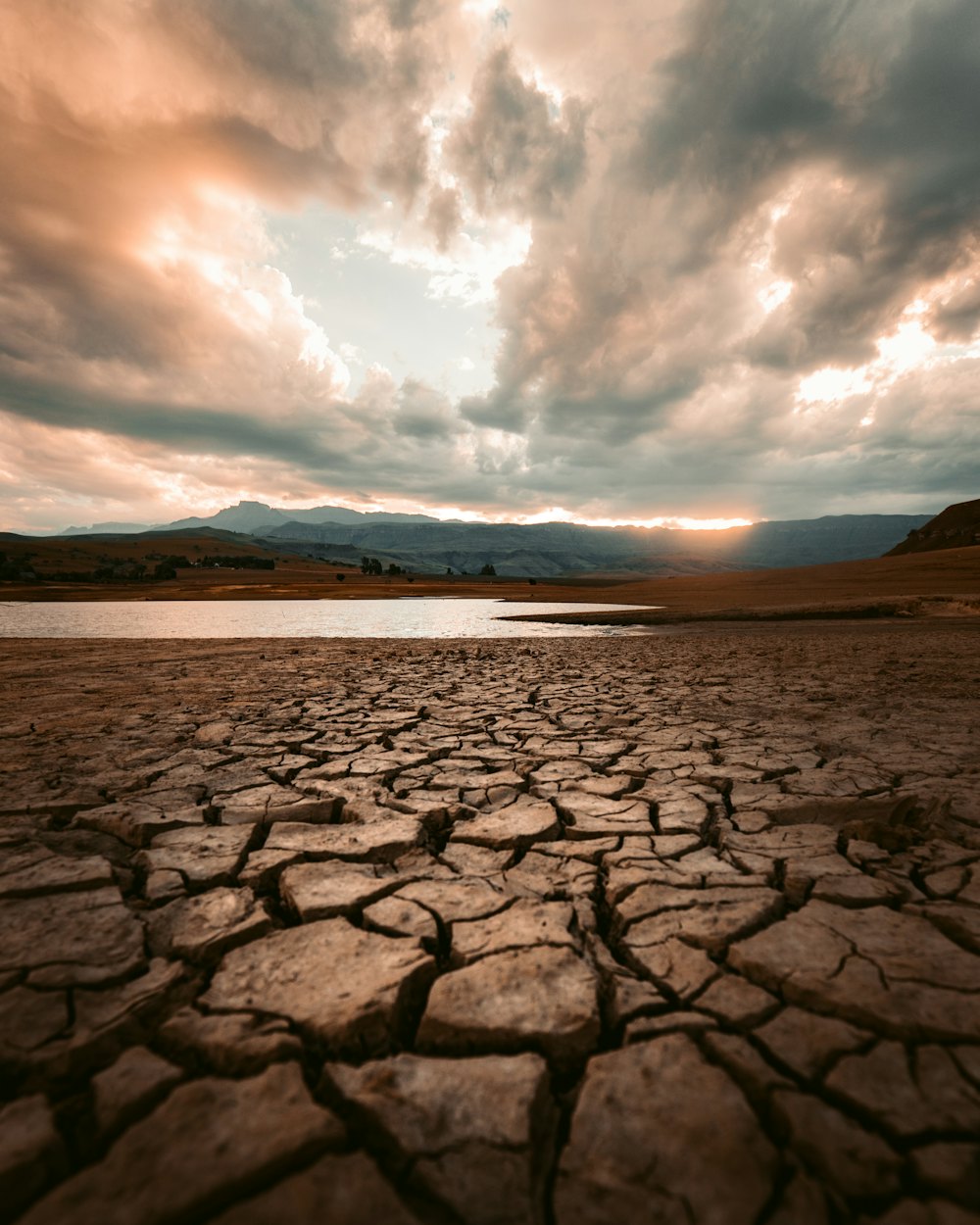
Degrading under climate stressErratic rainfall, falling groundwater and declining soil health are cutting farm yields and incomes across our regions. Land that once supported a family is producing less each year.
-
03
Waste
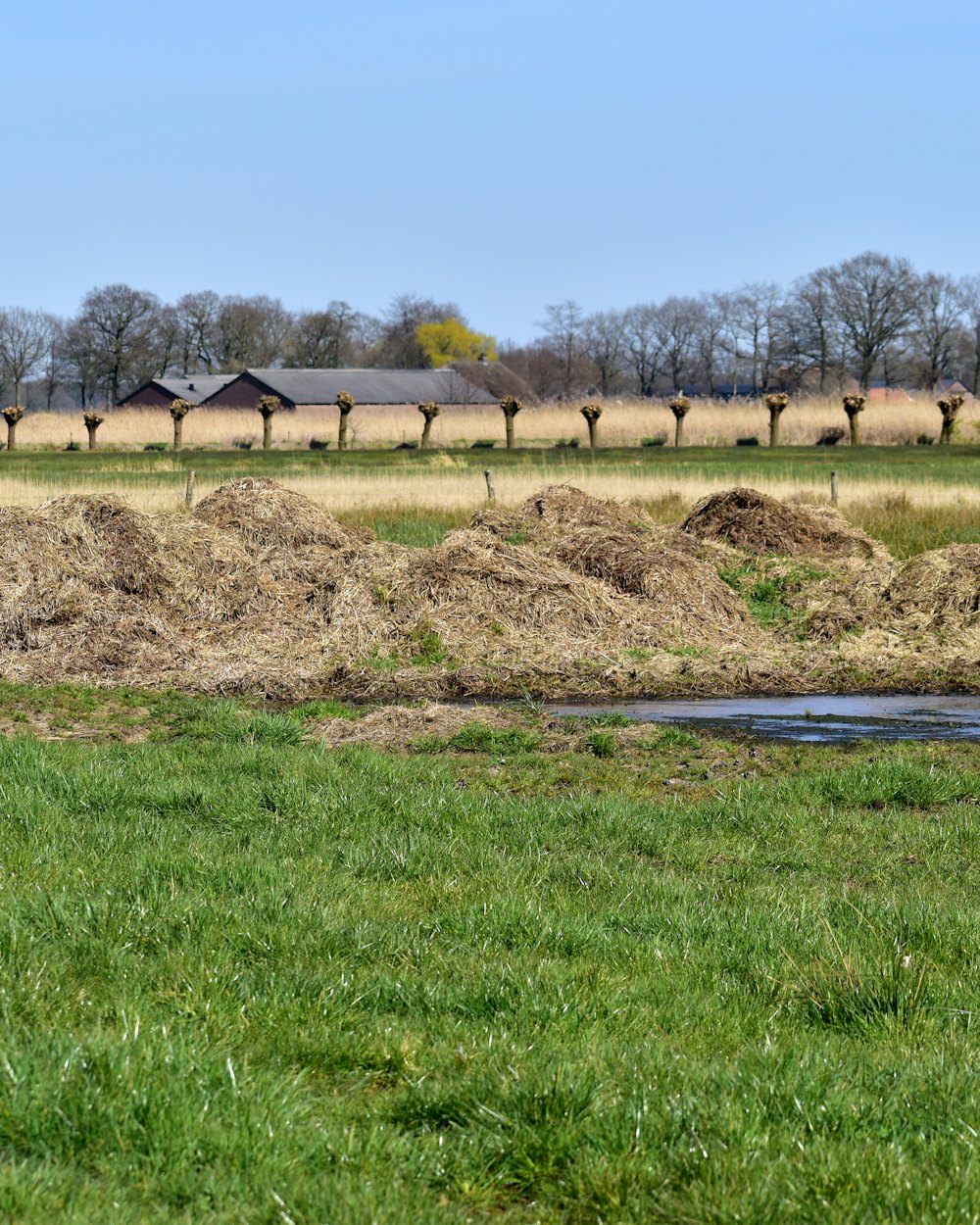
A burden, not yet a resourceVillages have no system to manage the organic and household waste they generate — so it pollutes the same water and soil the community depends on, while a valuable resource (compost, recoverable material) is simply lost.
-
04
Livelihoods
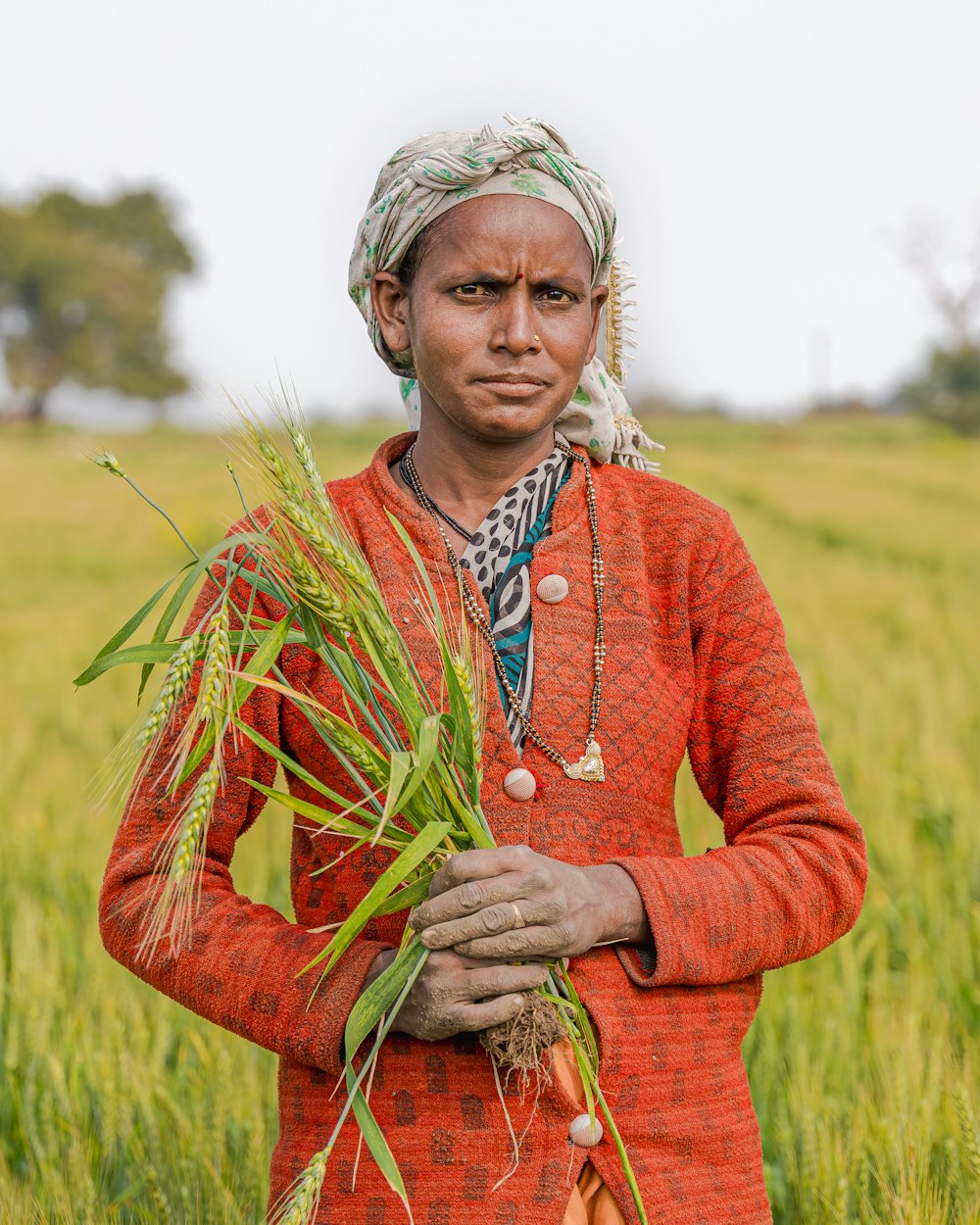
Too fragile to sustain stewardshipEven where the environment is healthy, too few rural families can earn a stable, diversified income from it — leaving both livelihoods and the resources they depend on fragile to the next shock.
Our practice
One practice, three domains, and the outcome that connects them
Because the four pressures compound one another, we work on them as one practice rather than four projects.
The three stewardship domains — how we work
-
D/01
Stewarding water
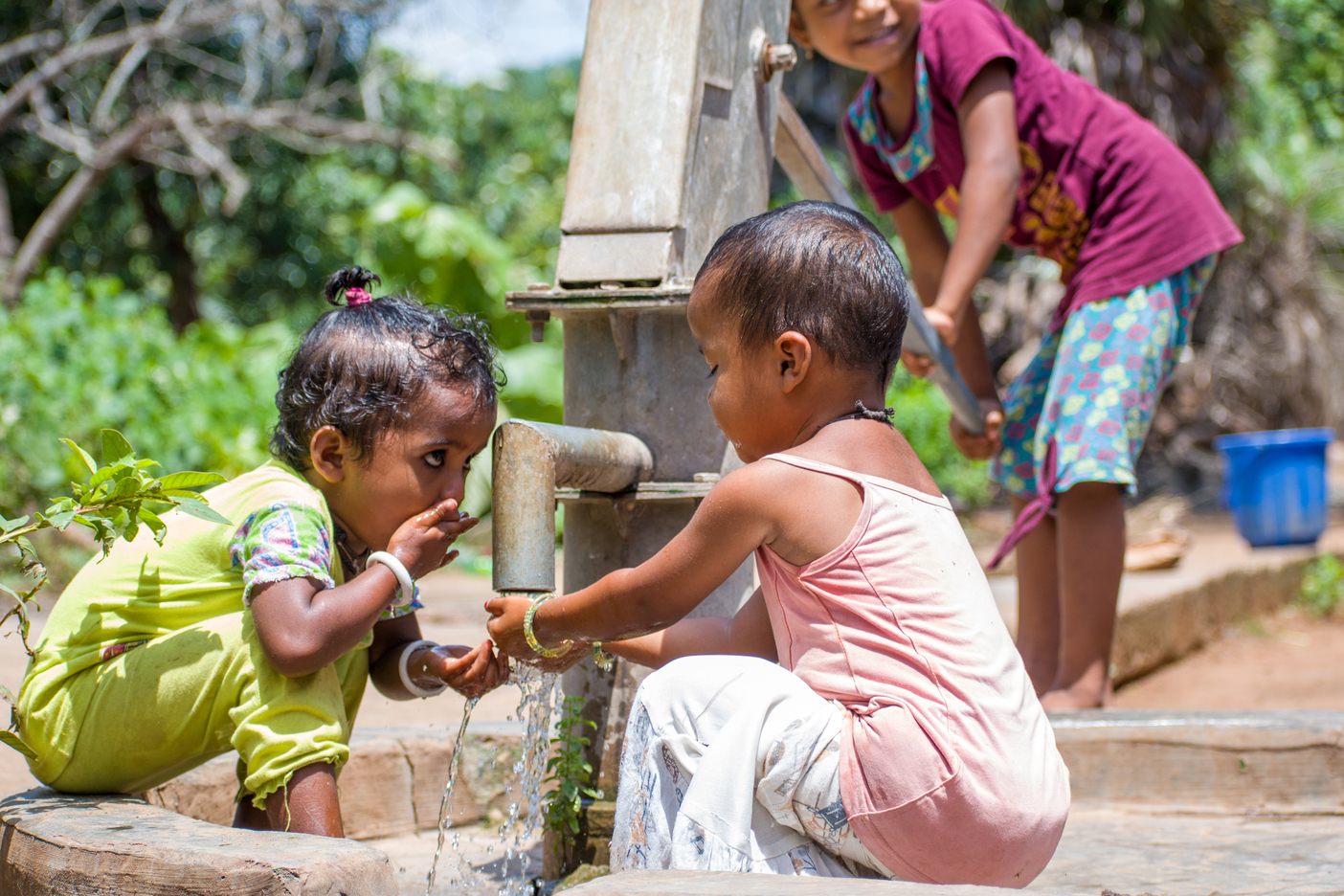
Functionality & climate resilienceStrengthening the functionality and climate-resilience of WASH systems, so that water infrastructure keeps working and stays safe under growing climate stress.
-
D/02
Stewarding land & soil
Nature-based solutionsNature-based solutions that enhance ecosystem resilience and water security — delivered with technical partners where specialist expertise is required.
-
D/03
Stewarding waste
Circular resource recoveryCircular resource recovery at village level, converting organic waste into agricultural inputs and closing the nutrient loop where the waste is generated.
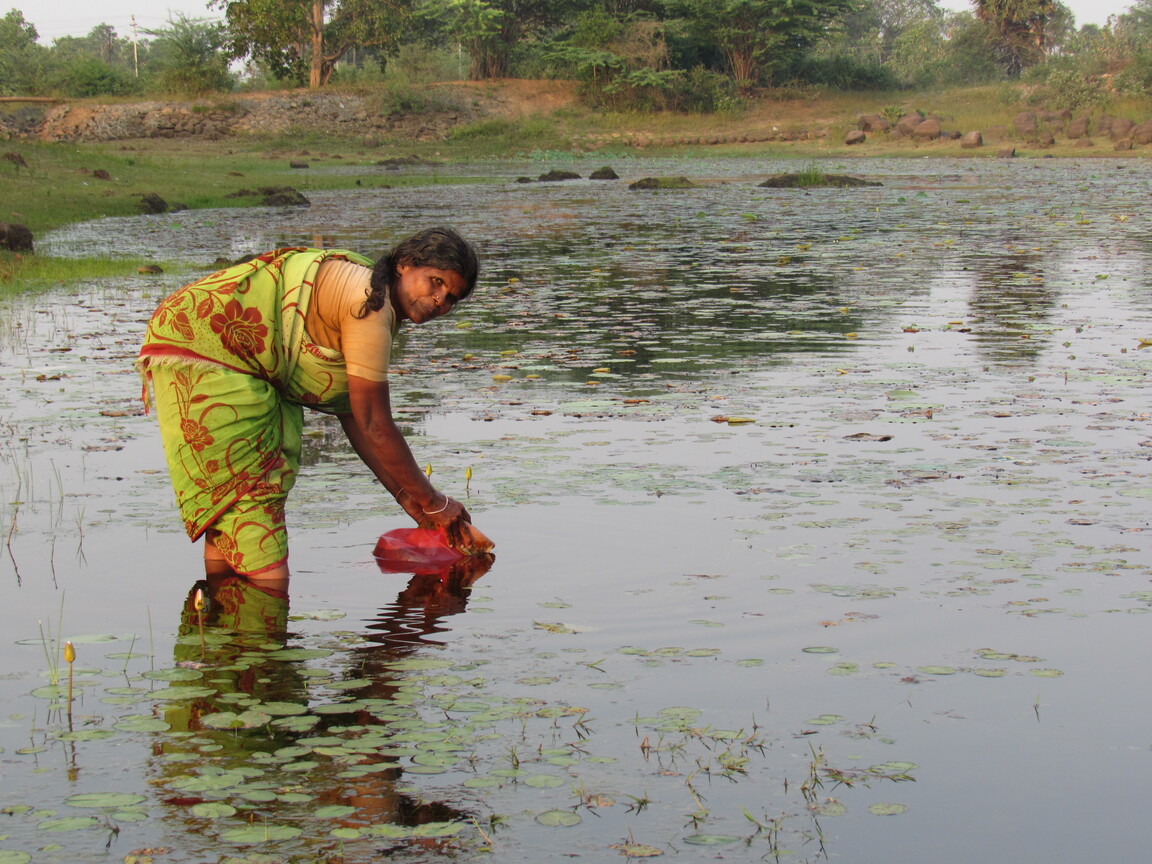
Our foundation
25 years of proven WASH delivery
- 3,000+ water projects delivered
- 400+ communities provided with sanitation facilities
- 13,000+ training sessions on water, sanitation and hygiene
- 200+ schools reached through WASH and hygiene programmes
Past & present partners
We have worked in partnership with
UNICEF — Project WASH MART, Vizianagaram District, Andhra Pradesh: building rural entrepreneurship in the WASH sector across 14 Gram Panchayats.
Clean Water Energy Trust — collaborative water services in Ananthagiri Mandal, Araku, Visakhapatnam.
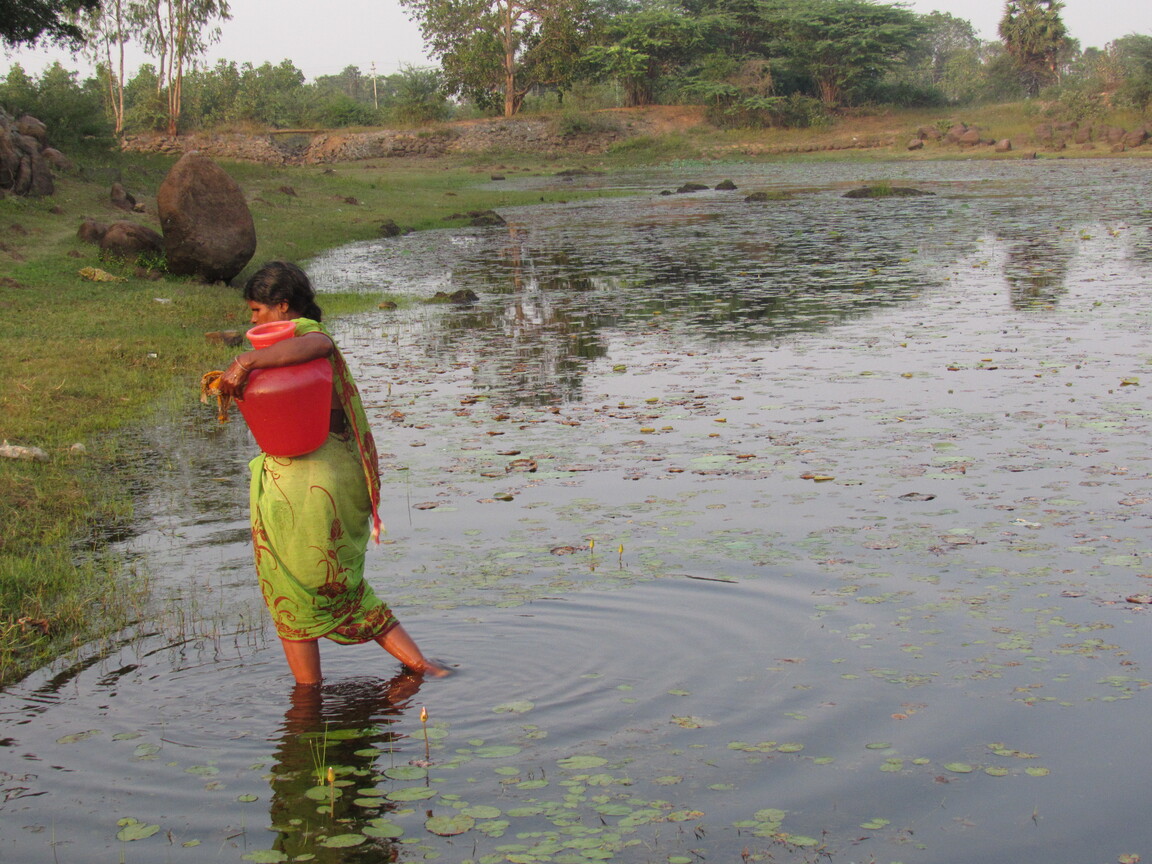
Partner with us
We work with organisations that share our commitment to lasting change.
Living Water India partners with institutional funders, foundations and corporate organisations to help rural communities steward their natural resources and build durable livelihoods. If your priorities align with ours, we would welcome the chance to explore what we can build together.