- Home
- What We Do
A broken handpump is rarely just a broken handpump.
It means a woman walking further for water, a field that goes unwatered, a family with one less reason to stay.
Fix one, ignore the rest, and nothing lasts. So we work on them as one.
Work narrative
Our operating logic
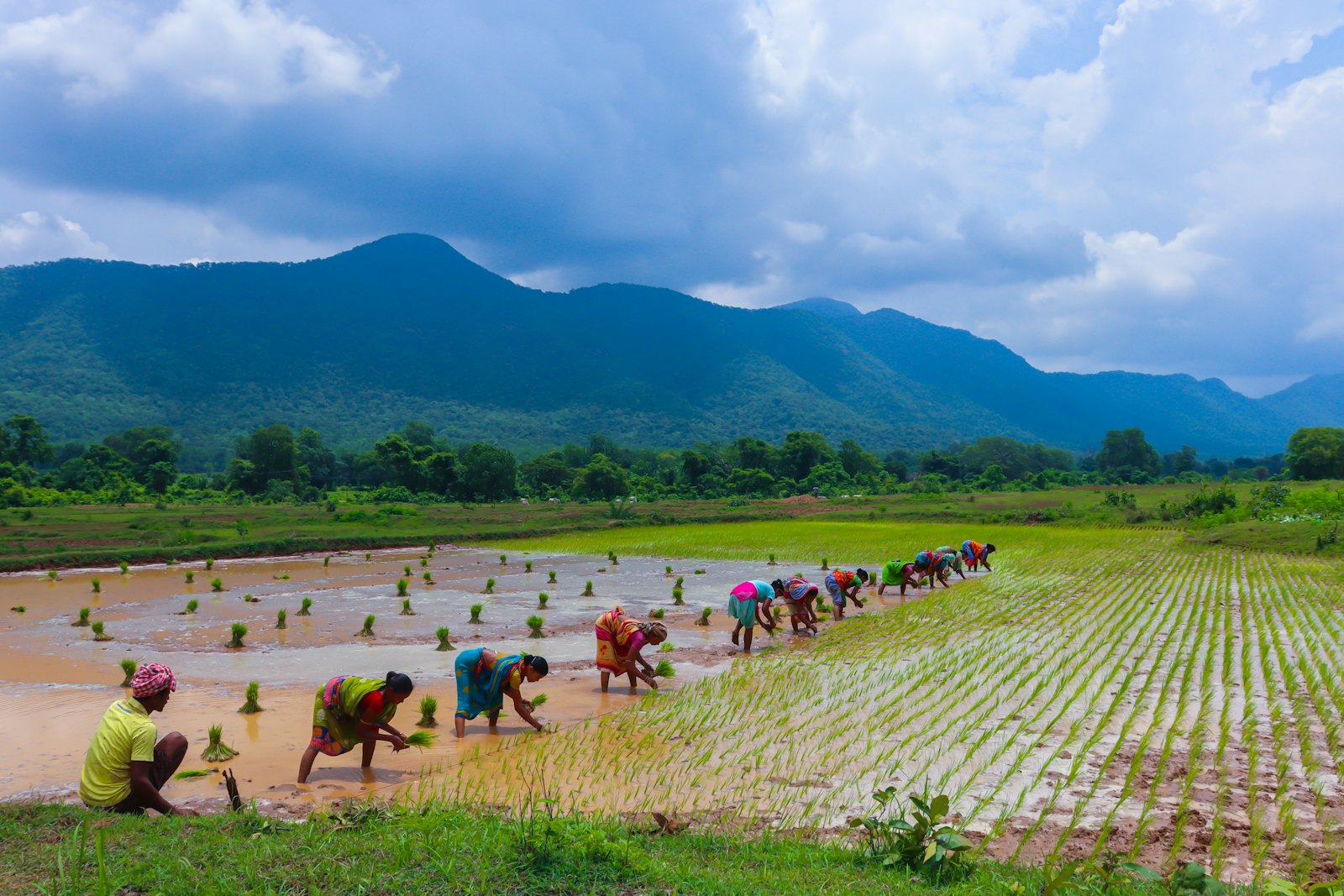
Over 25 years we learned that the things a community depends on — its water, its soil, the waste it produces, the income it earns — are all tied together.
We help communities keep their water systems running and safe as the climate grows harsher. We help them restore the land and soil that their harvests depend on. We help them turn the waste they once discarded into compost that feeds their own fields. And we help them build enterprises that turn a healthier environment into a steadier living.
The people who live with these resources are the ones who should own them. We train, we equip, and then we step back — because the measure of our work is not what runs while we are there, but what keeps running once we have gone. Running through all of it — the same conviction we started with
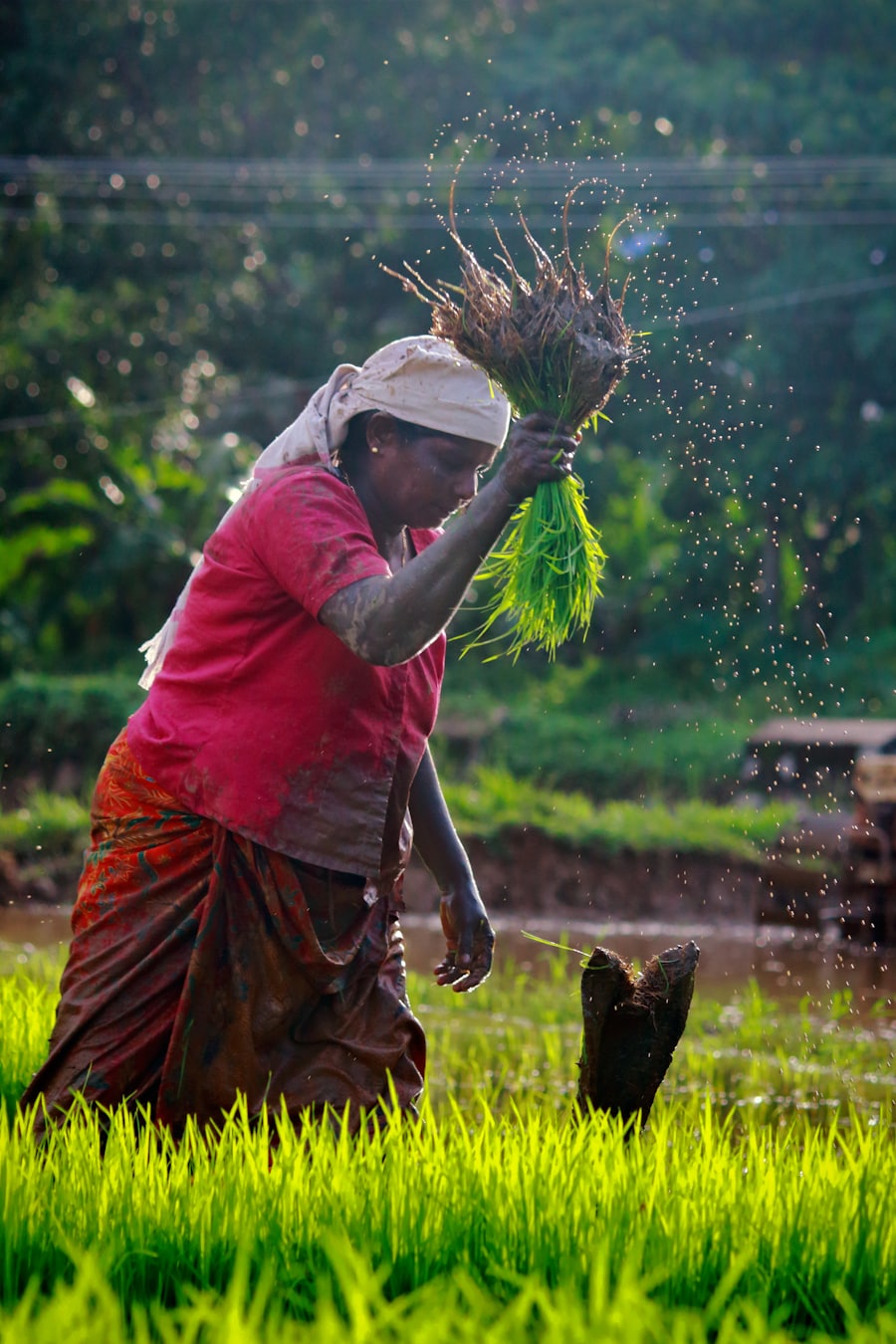
In the field · Community training
Operational framework
One practice, three domains, one connecting outcome
Our work is organised as one practice with three domains and a connecting outcome, held together by two cross-cutting methods.
Environmental Stewardship The reinforcing loop
One self-sustaining cycle — the responsible management of natural resources creates assets, assets generate livelihoods, and livelihoods sustain the stewardship that began it.
Stewardship creates assets
- Stewarding WaterStrengthening the functionality & climate-resilience of WASH systems
- Stewarding LandNature-based solutions that enhance ecosystem resilience
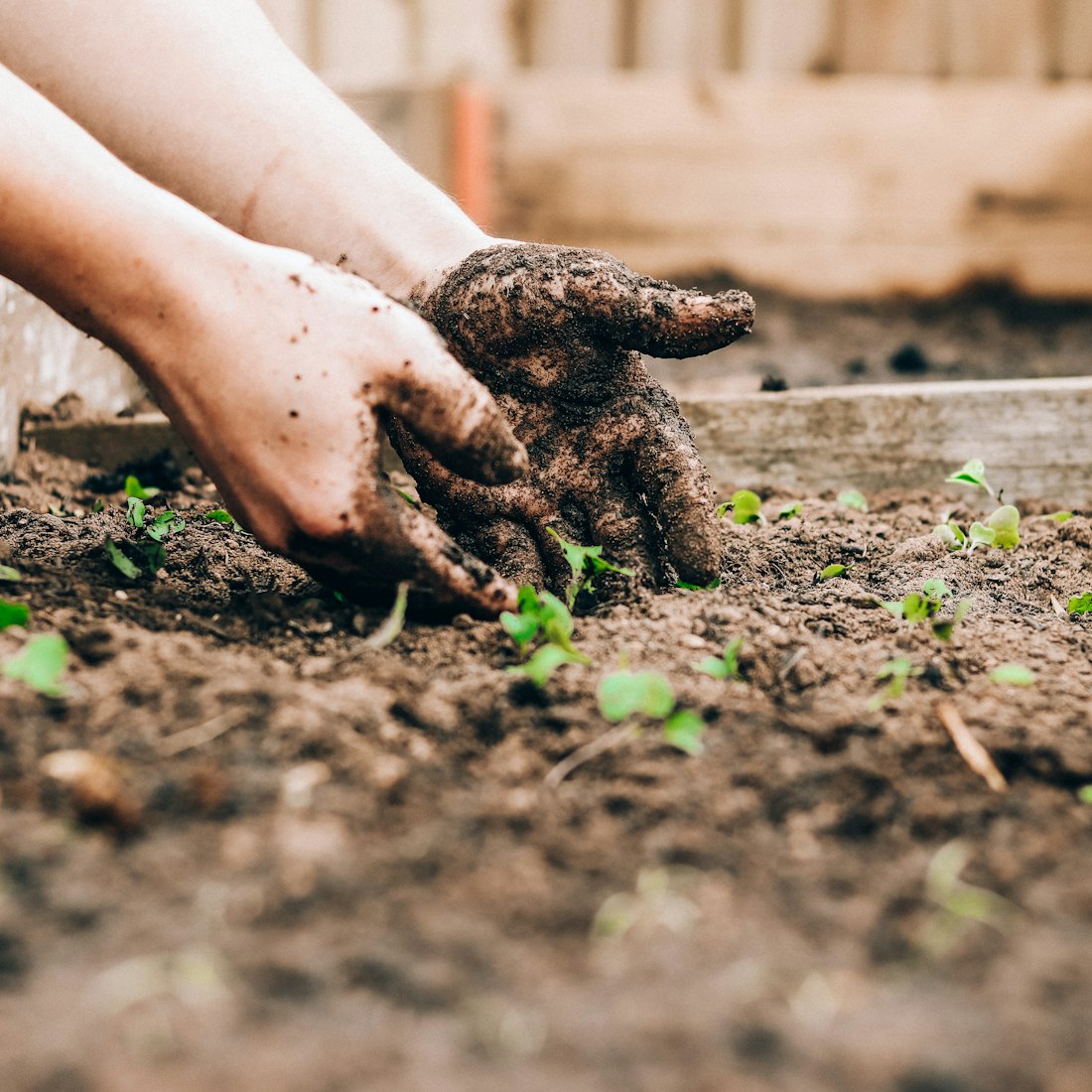
- Stewarding WasteCircular resource recovery at village level
Stewarded assets
Assets generate livelihoods
Livelihoods sustain stewardship
Theory of change
Our theory of change
Communities steward natural resources in ways that sustain both environment and livelihoods.
01Inputs
- Community trust & local partnerships
- Natural resources (land, water, biodiversity)
- Existing WASH infrastructure & village assets
- Community groups, schools, farmers & panchayats
- Technical & institutional capacity
02Activities
03Outputs
04Outcomes
The work — four domains of change
Stewarding waterStrengthening functionality & climate-resilience of WASH systems
WASH O&M plans, water quality checks & trained committees
Safer, functional & climate-resilient WASH services
Stewarding landNature-based solutions that restore ecosystem resilience
NBS sites, restoration measures & climate-resilient farming practices
Enhanced water security & socio-ecological resilience
Stewarding wasteCircular waste recovery at village level
Composting units & village waste groups
Improved soil health & closed-loop nutrient recovery at village scale
Community-owned enterpriseTurning stewarded assets into diversified livelihoods
Enterprise pilots & community business models
Diversified, climate-resilient livelihoods from community-owned enterprise
The enablers — what makes the change durable
Local capacity strengthening
Strengthened SHGs, committees, producer groups & governance systems
Greater local ownership, accountability & institutional sustainability
Awareness & education
School education programmes & village awareness campaigns
A shared stewardship ethic & the mindset to maintain what they have
05Impact
Resilient, self-sustaining rural economies
Four dimensions — fed by the outcomes
- Resilient livelihoodsDiversified enterprise income + restored soil productivity
- Healthy ecosystemsSecure water, functional WASH & restored landscapes
- Community ownershipLocal institutions accountable & self-governing
- Durable interventionsLocal institutions keep the cycle intact long after we exit
Reinvestment, ownership & maintenance Stewardship creates assets → assets generate livelihoods → livelihoods sustain stewardship
Accountability
How we measure our work
We track our work through a monitoring, evaluation, accountability and learning (MEAL) system that follows each community from baseline to long-term follow-up. This discipline, built over 25 years of WASH delivery, extends across every domain of our stewardship model.
- Stage 01 Baseline surveys Before every programme begins, to establish a clear starting point.
- Stage 02 Regular field monitoring Of the systems and resources we help steward.
- Stage 03 Community feedback sessions Where the people we serve assess the quality of our work.
- Stage 04 Annual programme reviews Comparing outcomes against targets.
- Stage 05 Post-programme follow-up Visits at 1 and 3 years to assess whether the change has lasted.
Partner with us
We work with organisations that share our commitment to lasting change.
Living Water India partners with institutional funders, foundations and corporate organisations to help rural communities steward their natural resources and build durable livelihoods. If your priorities align with ours, we would welcome the chance to explore what we can build together.